Lynching in the Name of God
Official inaction is giving free rein to religious lawlessness in Nigeria.
By experts and staff
- Published
Experts
![]() By Ebenezer ObadareDouglas Dillon Senior Fellow for Africa Studies
By Ebenezer ObadareDouglas Dillon Senior Fellow for Africa Studies

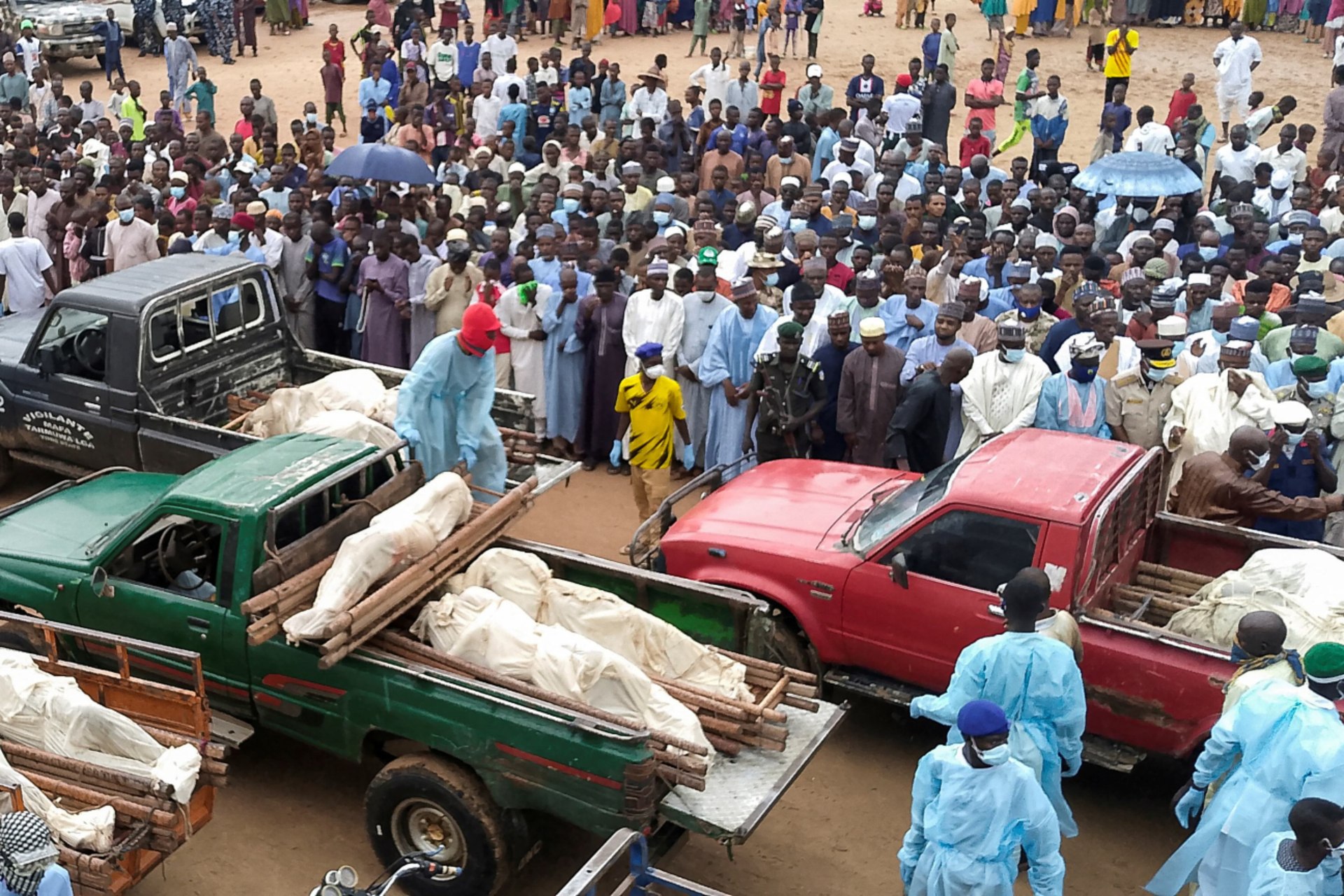
Two recent episodes of religiously motivated violence in northern Nigeria serve as a reminder of the growing threat to law and order by the forces of religious bigotry in the country.
No doubt because it involved a large number of fatalities (more than sixty according to various media reports) and was perpetrated by the notorious jihadist group Boko Haram, last Friday’s overnight attack on the village of Darul Jamal, home to a military base on Nigeria’s northeastern border with Cameroon, has attracted greater media attention.
Yet, the incident a week earlier in the village of Kasuwan-Garba in the Mariga local government area of Niger state in the north-central region of the country merits no less attention. There, a mob descended on a food vendor simply named Amaye and set her ablaze before help from local law enforcement could arrive. It is not clear how the food vendor had responded to a man who had apparently “jokingly proposed marriage” to her, but whatever she said must have been sufficiently indelicate to arouse the anger of the mob, which, accusing her of blaspheming Prophet Muhammad and finding her guilty in the same stroke, proceeded to execute the sentence of murder by incineration on the spot.
One might be tempted to see these two episodes as totally unrelated, and admittedly, they do possess distinctive sociological characteristics. Boko Haram is a card-carrying terrorist group with a self-declared ambition to topple the Nigerian state and replace it with a throwback Islamist theocracy. The mob that descended on the hapless food vendor, on the other hand, was just that: a headless and heedless rabble high on nothing more than pious rage.
Yet, to see them as unrelated is to miss the organic and indissoluble connection between the two as products of pure bigotry. For what that mob did ever so casually is the same thing that Boko Haram has been doing in its decades-long systematic and increasingly barbarous campaign against innocent civilians.
But if Boko Haram is seen as the monstrosity it clearly is, it is distressing that religiously motivated mob action against individuals accused of blasphemy has been mostly greeted by official silence. The frequency of these blasphemy killings across northern Nigeria, often involving wanton collateral destruction, is all the evidence one needs that those involved feel emboldened by official inaction.
Whether or not the Trump administration goes on to restore Nigeria’s Country of Particular Concern status on account of the authorities’ proven failure to arrest the situation, there is no doubting that the situation in the country is deeply concerning.